THE IMPACT OF SOCIAL MEDIA ON MODERN SOCIETY
By: Farah Dayana Jamaluddin

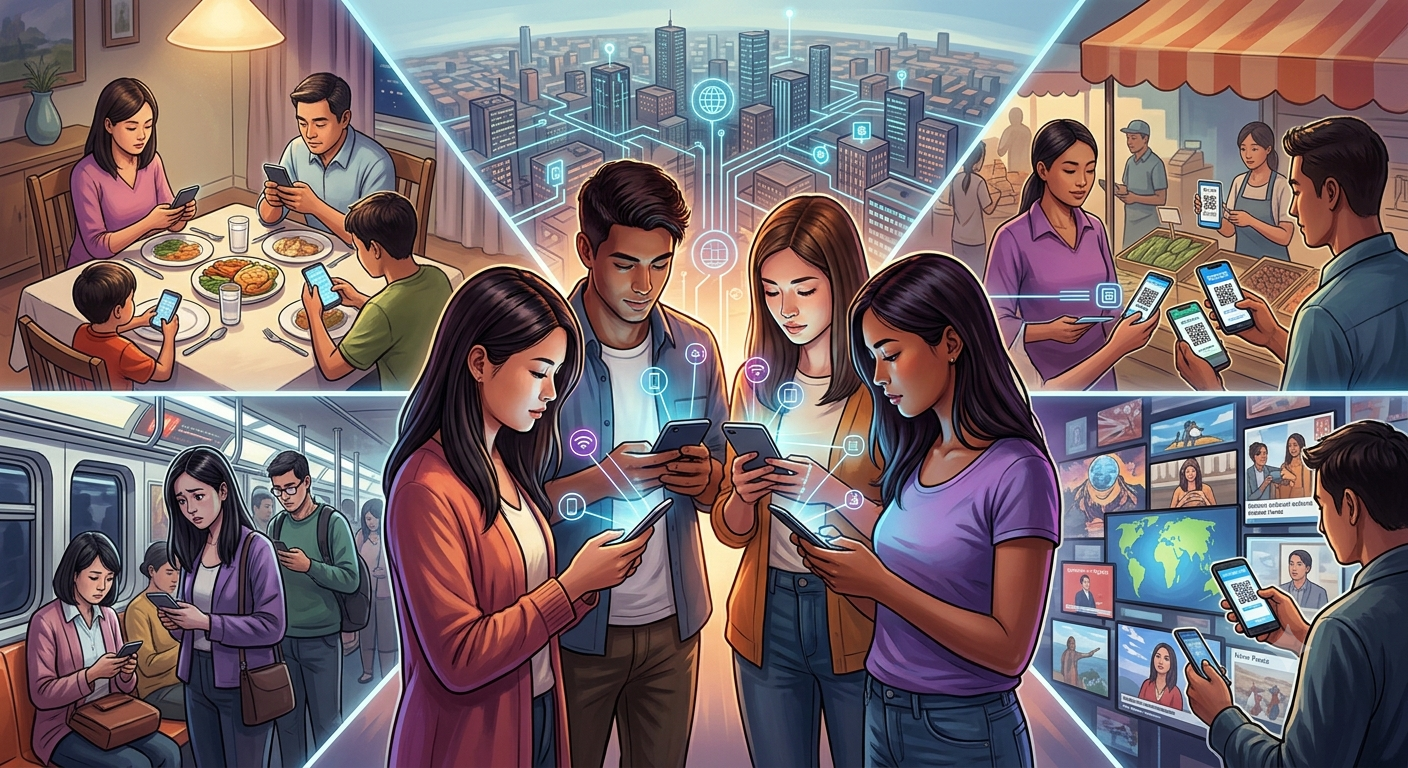
In the era of globalization and rapid advancements in information technology, social media has become a highly influential communication medium in modern society. The emergence of various social media platforms such as Facebook, Instagram, TikTok, X, and YouTube has not only transformed the way people interact but has also significantly affected the social, cultural, economic, and psychological well-being of society.
Social media has made communication between individuals and groups easier, regardless of geographical boundaries. Interactions that once required face-to-face meetings can now take place virtually within seconds. This has improved the efficiency of information dissemination and strengthened social networks, particularly among modern communities and organizations.
However, excessive dependence on virtual communication has the potential to reduce the quality of interpersonal interaction, including language use, thereby affecting people's social skills.
Social media also plays an important role in shaping societal values, attitudes, and culture. Content that is widely shared can influence people's thoughts, behavior, lifestyles, and language. Nevertheless, continuous exposure to foreign cultures without proper filtering may gradually erode traditional values and local norms. This calls for greater awareness among the public, especially parents, to critically evaluate social media content to ensure it aligns with moral and cultural values.
Furthermore, uncontrolled use of social media can have serious implications for mental and emotional health. The phenomenon known as FOMO (Fear of Missing Out), for example, creates pressure to project an idealized image of oneself and one's lifestyle. This often exposes individuals to negative comments and online criticism, leading to emotional distress, anxiety, and depression. Teenagers and young adults are among the groups most vulnerable to these influences.
Therefore, maintaining a healthy balance in social media usage is essential to safeguarding the mental well-being of society. Digital literacy education should be strengthened to encourage users to engage with social media responsibly, ethically, and respectfully.
Social media has also become an important platform for public participation in social, political, and community issues. It enables individuals to express their opinions, share information, and promote campaigns or initiatives more quickly and to a wider audience. In this context, social media serves as a catalyst for social change.
However, unrestricted freedom of expression without clear regulations may lead to provocation, misinformation, and the spread of inaccurate content. Therefore, every user must uphold both moral and legal responsibilities to ensure that social harmony is maintained.
One of the greatest challenges associated with social media is the spread of false or unverified information. Sharing information without proper verification can create confusion, tension, and conflict within society. In addition, concerns over data security and user privacy continue to grow.
The public must be vigilant in verifying the authenticity of information and recognize the importance of digital security to prevent the misuse of social media.
In conclusion, social media offers numerous benefits in terms of communication, information sharing, and social participation. Nevertheless, its negative impacts should not be underestimated. Therefore, the wise, ethical, and balanced use of social media is crucial to ensuring that technological advancement contributes to the development of a knowledgeable, morally responsible, and accountable society.
Date of Input: 17/07/2026 | Updated: 17/07/2026 | saidatul.halim
MEDIA SHARING