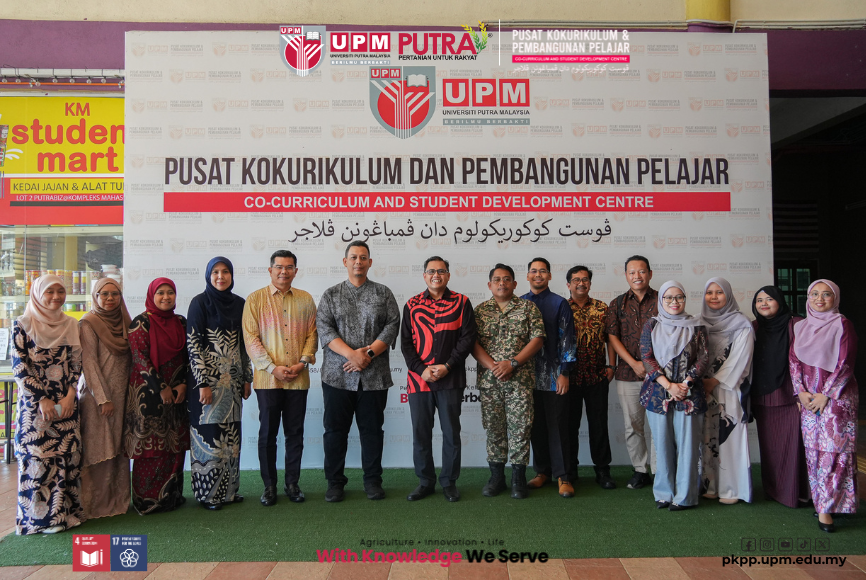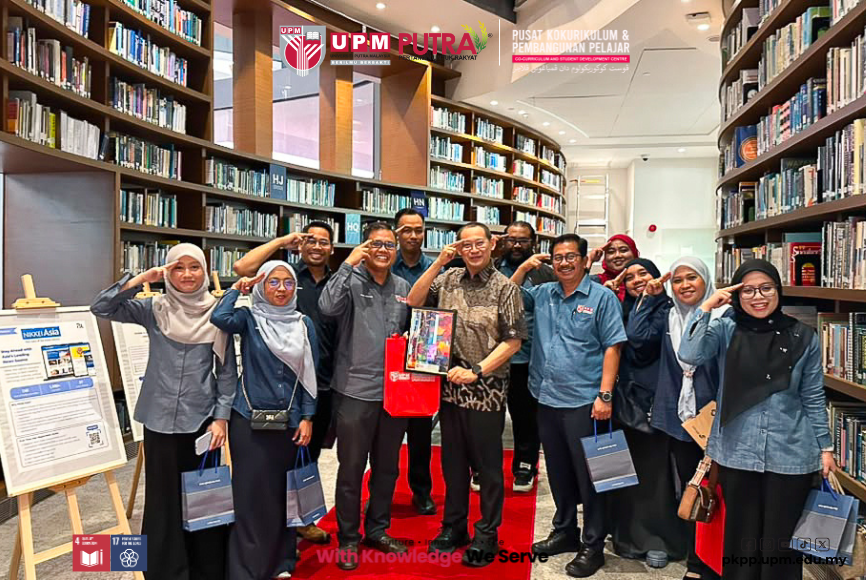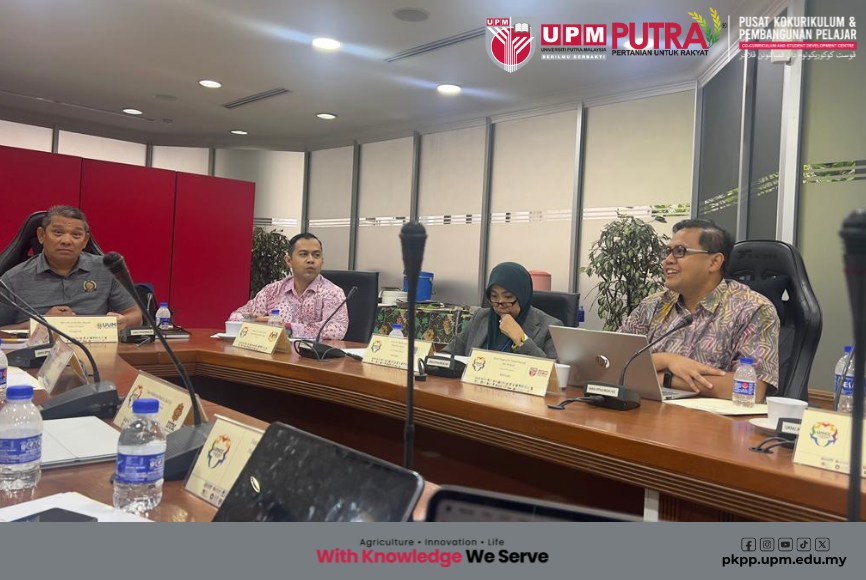
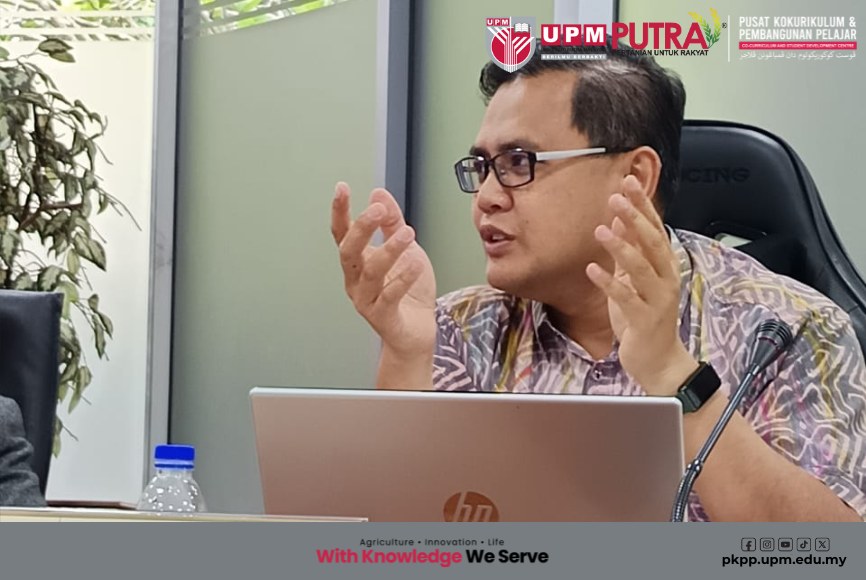
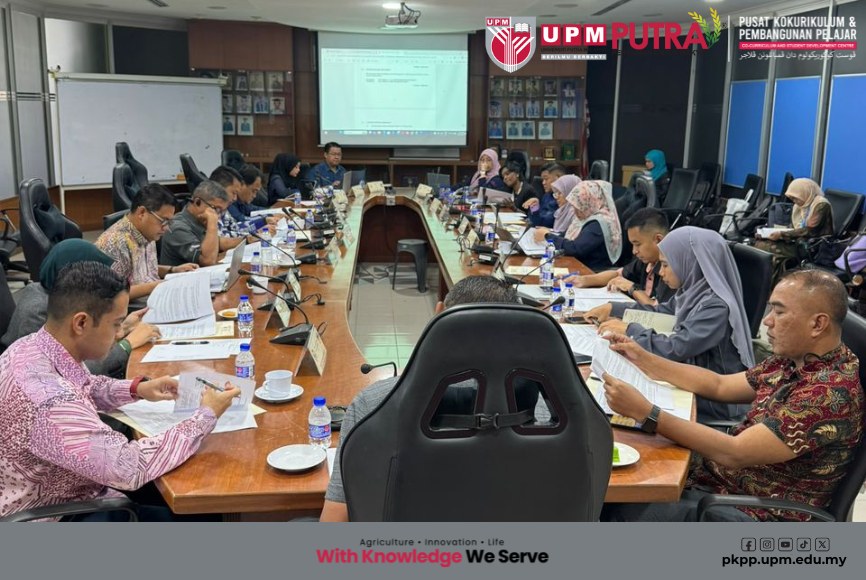
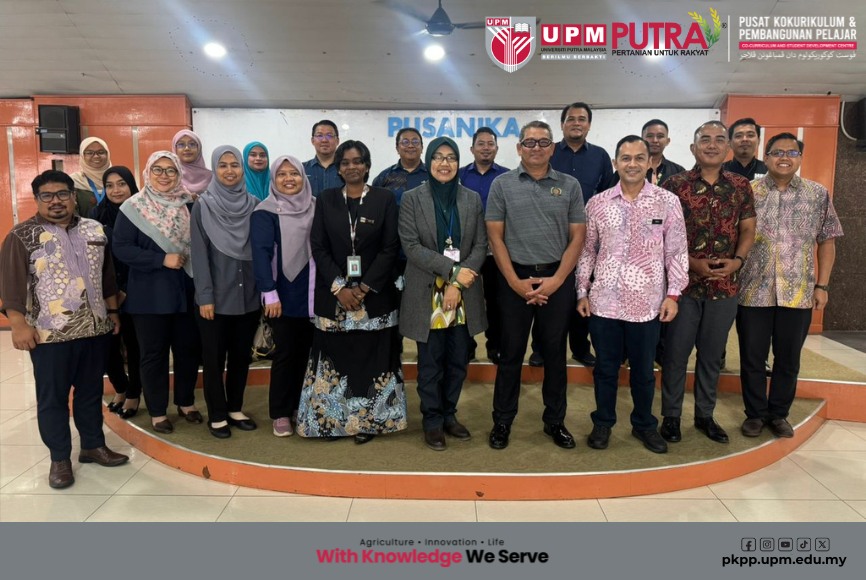
Bangi, 29 January 2026 – The Public University Co-Curriculum Council Meeting (UNICC) No. 1/2026 was held at the National University of Malaysia (UKM). This meeting, which is held periodically, brings together directors and representatives of the Co-Curriculum Centers from various Public Universities (UA) throughout Malaysia to discuss the direction, improvement and strengthening of the implementation of co-curricular courses with credit in their respective institutions.
The organization of this meeting is an important platform in coordinating co-curricular policies and approaches to be more structured, relevant and high-impact in line with the aspirations of national higher education. The discussions that took place focused on strengthening the course structure, standardization of assessment, strengthening learning outcomes and the need to ensure that co-curricular courses continue to be responsive to current developments and industry needs.
Also present and actively involved in the meeting was the Director of the Centre for Co-Curriculum and Student Development (CCP), Universiti Putra Malaysia (UPM), Associate Professor Dr. Mohd Mursyid Arshad. He not only participated in the strategic discussion session, but was also invited to present a best practice sharing session regarding the implementation of the 3T Module for Credited Co-Curriculum Facilitators and the implementation of Credited Co-Curriculum Equivalence which has been practiced at UPM.
In the presentation, he explained in detail the approach to implementing the 3T Module which emphasizes the aspects of training, assignments and transformation of the role of facilitators in ensuring that the delivery of co-curricular courses is more effective and student-centered. This module is designed to strengthen the competence of facilitators through structured training, continuous monitoring and comprehensive evaluation, thus ensuring consistent quality standards at the university level.
In addition, the explanation of Credited Co-Curriculum Equivalence also received the attention of the meeting members. This initiative aims to ensure the recognition of students' experience and involvement in co-curricular activities that are equivalent to credit courses, with clear and transparent guidelines and evaluation mechanisms. This approach is seen to be able to increase students' motivation to actively participate in self-development activities outside the classroom.
Overall, the sharing session provided a comprehensive overview of the implementation of a systematic credit-bearing co-curriculum, focusing on the development of soft skills, leadership, teamwork and experiential learning. This effort is in line with the desire to produce holistic, balanced and competitive graduates, in line with the current needs of the country's higher education and the challenges of the increasingly dynamic world of work.
It is hoped that UNICC Meeting No. 1/2026 will continue to be a platform for strategic collaboration between Public Universities in strengthening the country's co-curriculum ecosystem, thus ensuring that its implementation is always relevant, inclusive and has a significant impact on the development of Malaysian students.
Date of Input: 13/02/2026 |
Updated: 13/02/2026 | saidatul.halim
MEDIA SHARING